The Movo VXR10-PRO is one of those microphones that makes a lot of sense the second you understand who it is for. It is small, simple, affordable, and most importantly, battery-free. That last point is a bigger deal than it sounds.
A lot of compact on camera mics rely on internal batteries or replaceable cells. That can help with performance, but it also adds one more thing to charge, replace, forget, or troubleshoot. The VXR10-PRO skips that entirely and draws power straight from your camera or phone. For anyone recording on the go, that convenience matters.
At around the $50 price point, this mic sits firmly in budget territory, but it does not come across like a throwaway accessory. The build is solid, the included accessories are actually useful, and the sound quality is good enough that it can absolutely earn a place in a lightweight recording setup.
Table of Contents
- What comes in the box
- What makes the PRO version different
- Design and build quality
- Windscreens and when to use each one
- Battery-free convenience is the real selling point
- Sound quality: how good is it really?
- Who this microphone is best for
- Where it falls short
- What stands out most after using it
- Should you buy the Movo VXR10-PRO?
- Final verdict
- FAQ
What comes in the box
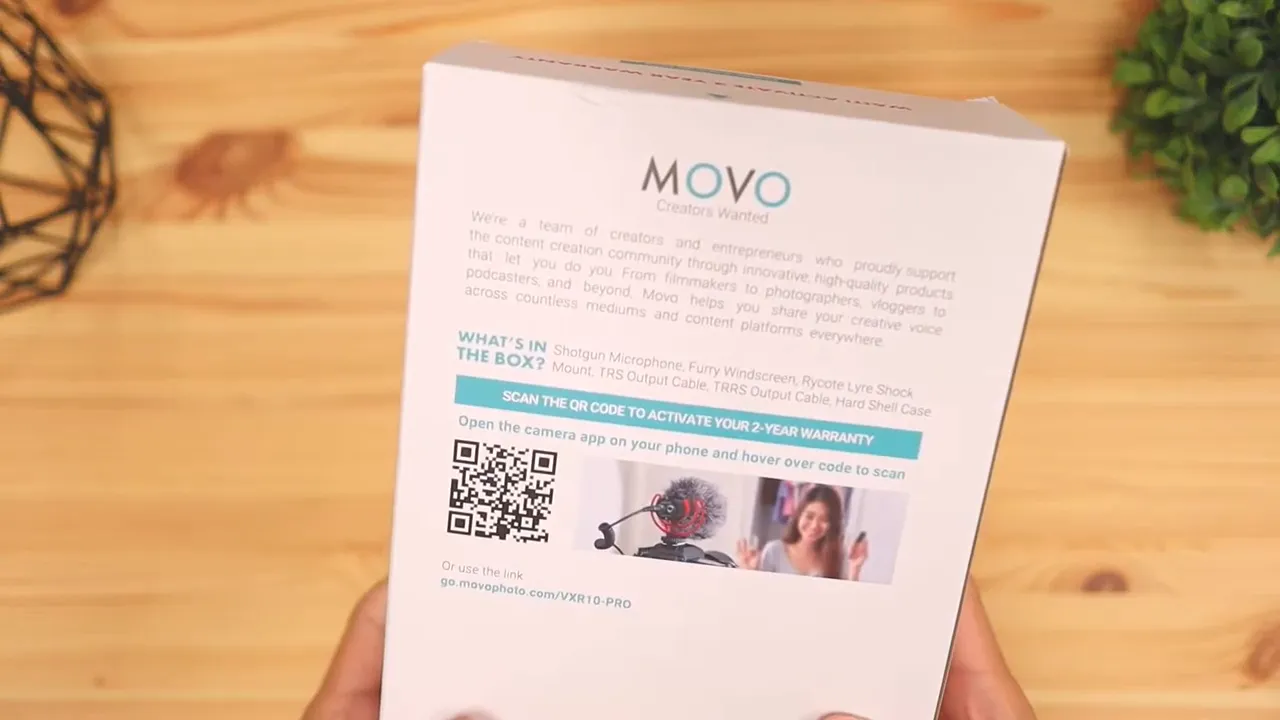
Movo includes a pretty complete kit here, which is part of what makes this microphone easy to recommend for beginners or anyone who just wants a grab and go option.
- The VXR10-PRO shotgun microphone
- A red shock mount
- A standard foam windscreen
- A furry windscreen, often called a dead cat
- A 3.5mm TRS cable
- A 3.5mm TRRS cable
- A hard shell carrying case
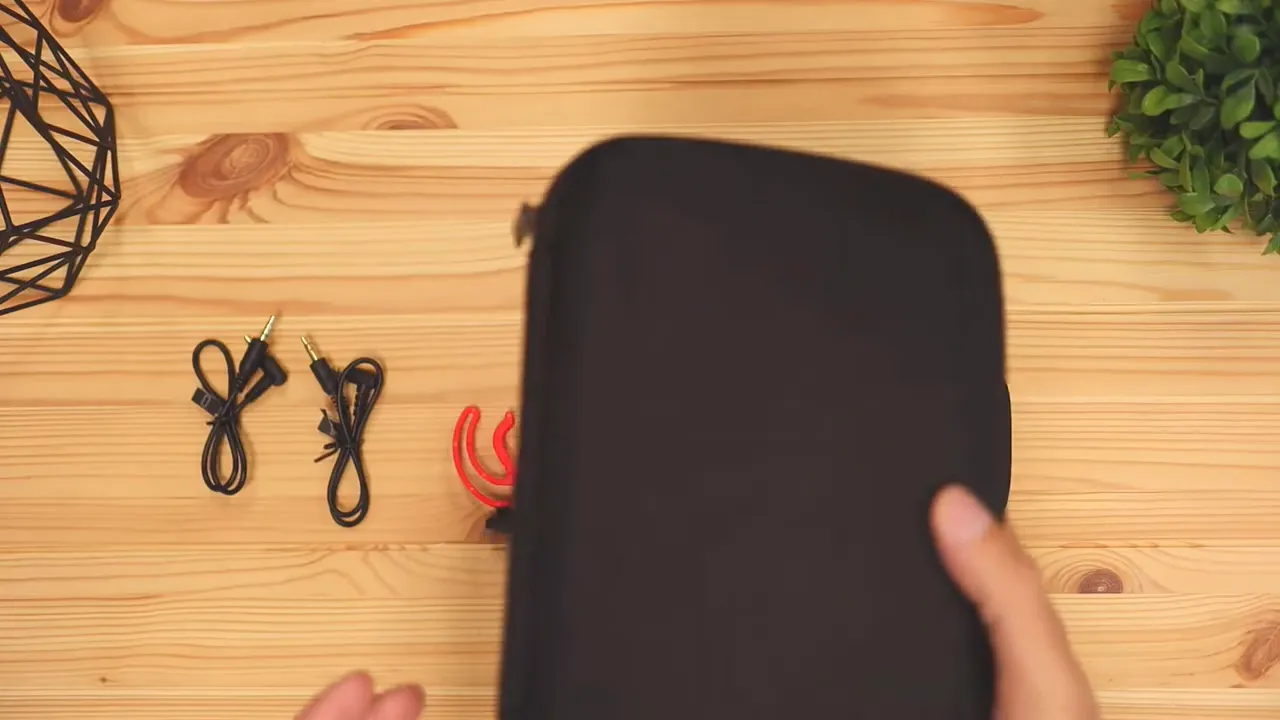
The two cable types are important. If you have ever tried connecting a mic to a phone, camera, or recorder and wondered why it suddenly does not work, the connector standard is usually the reason. TRS is commonly used for cameras and recorders, while TRRS is often required for smartphones and certain mobile devices.
That means you are not immediately stuck shopping for adapters before you can even test the microphone. It is a small thing, but it removes friction, and that is exactly what a product like this should do.
What makes the PRO version different
Movo also sells a regular VXR10, but this is the PRO version, which gets a few upgrades over the original. The biggest functional addition is onboard headphone monitoring.
That feature alone gives the mic a more serious edge. Being able to plug in headphones and monitor what is being recorded live can help catch problems before they ruin a take. If there is clipping, handling noise, a bad cable connection, or weird environmental interference, you have a much better chance of noticing it immediately.
At this price, that is a genuinely nice extra.
Design and build quality
First impressions are strong. The VXR10-PRO does not feel cheap.
The microphone body is metal, and that gives it a sturdier, more confidence inspiring feel than a lot of plastic budget gear. It feels like it can handle being tossed into a bag, mounted on a small camera rig, or carried around for travel content without making you nervous.
That matters for a portable shotgun mic. This is the kind of product that will likely live in a backpack, camera pouch, or compact case. If it feels fragile, it is already losing half its appeal. Fortunately, that is not the case here.
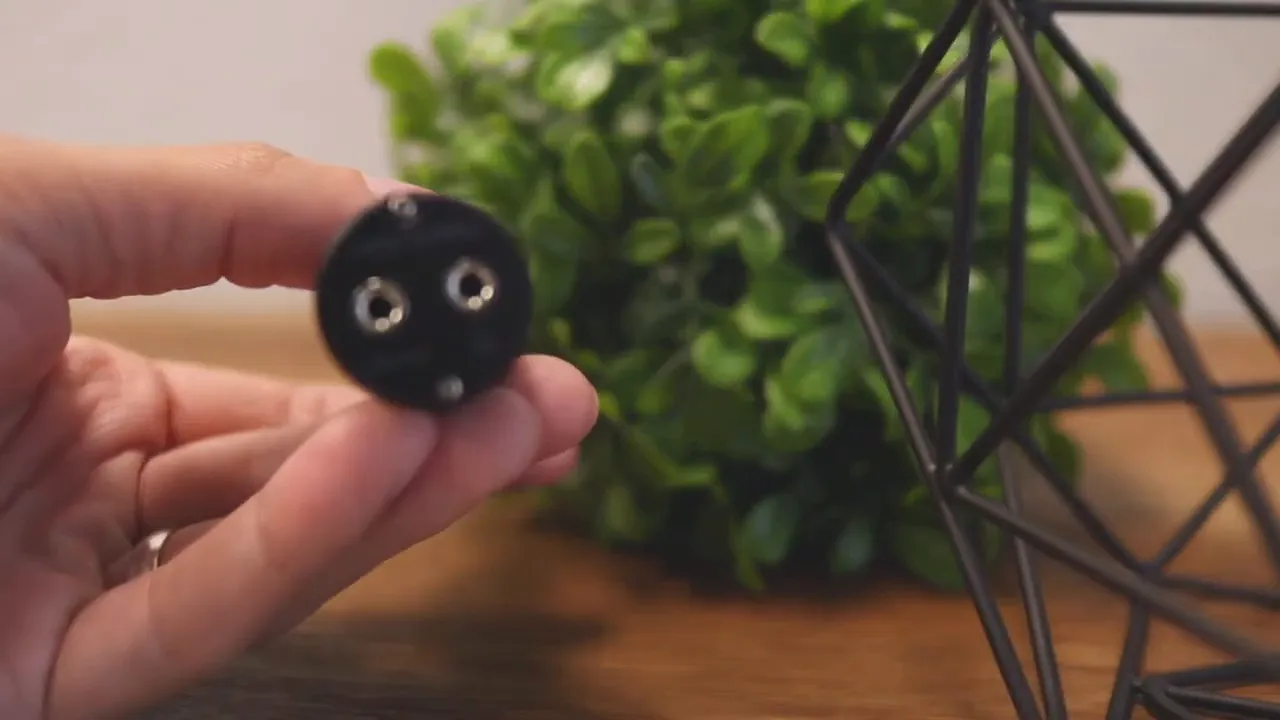
On the back of the mic, there are two 3.5mm ports. One is for output to your recording device. The other is for headphone monitoring. That setup keeps things straightforward and adds practical flexibility without cluttering the design.
The shock mount actually matters
The red shock mount is not just there to make the mic look more interesting. Its job is to reduce handling noise, bumps, and vibration from traveling into the microphone. If you are holding a rig, adjusting your setup, or moving around while recording, that suspension can make a real difference.
The mount has a wobbly, flexible feel, which is exactly what you want from this style of suspension. It is designed to absorb movement rather than transfer it. Even though it wiggles around, it still feels durable enough for normal use.
Movo describes this as a Rycote Lyre style shock mount, and that flexible support system is one of the reasons compact shotgun mics have gotten much better for mobile content creation in recent years. If you want more audio gear comparisons in a similar practical category, the SteelSeries Alias microphone review and this Logitech G Yeti Orb review are worth checking out, even though those are aimed more at desktop use.
Windscreens and when to use each one
The VXR10-PRO includes two wind protection options, and each one has a clear job.
Foam windscreen
The foam windscreen is the one most people will use indoors. It helps reduce plosives and soft air movement from speech. If you are recording inside, in a room with no major wind, this is probably the better choice because it keeps things simple and lets more of the natural sound through.
Furry windscreen
The furry windscreen is for windier environments. If you are outside and air is moving across the mic, this becomes much more important. Wind noise can absolutely destroy otherwise usable audio, and the furry cover is designed to cut that down significantly.
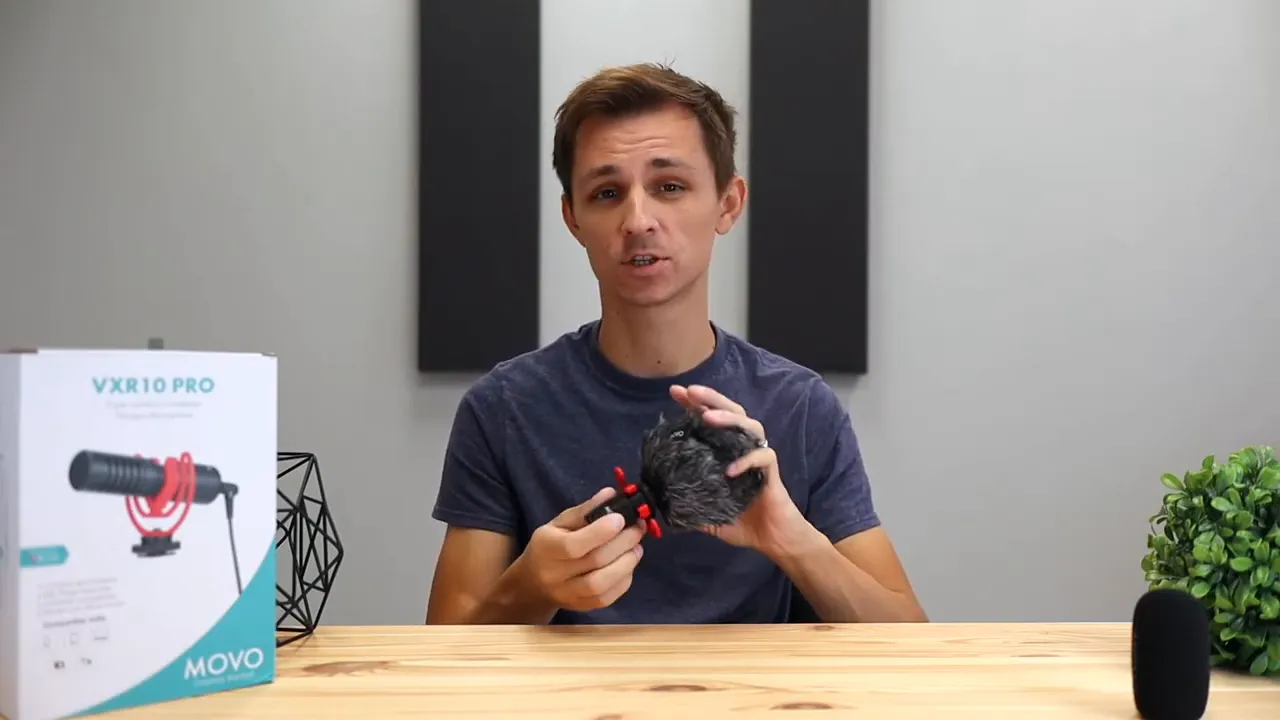
There is always a tradeoff with stronger wind protection. It can slightly reduce openness or detail compared to a bare mic or a foam cover. But that tradeoff is worth it when the alternative is unusable wind rumble.
If you record outdoors with any regularity, using proper wind protection is not optional. It is one of the fastest ways to improve overall audio consistency.
Battery-free convenience is the real selling point
There is a reason this feature comes up first. The VXR10-PRO draws power directly from the connected device rather than relying on its own battery.
That means:
- No dead battery ruining a recording session
- No charging routine to remember
- No battery compartment to deal with
- Less setup friction when you just need to grab the mic and go
That convenience is especially appealing for travel setups, mobile content, small camera rigs, and casual run and gun recording. It removes one more point of failure, and for a lot of people that is more valuable than chasing the absolute best possible sound quality from a budget shotgun mic.
Some battery-powered options can sound better because they have more power to work with, but convenience has value too. A mic that sounds very good and is always ready can be more useful than a mic that sounds slightly better but creates extra maintenance.
Sound quality: how good is it really?
The short version is this: the VXR10-PRO sounds good, especially considering the size, price, and battery-free design.
It is not trying to compete with larger, more expensive shotgun microphones. It is trying to deliver clean, directional audio in a compact and affordable package. On that front, it does a solid job.
Movo positions it as a super-cardioid microphone, which means it is designed to focus more on sound coming from the front while reducing some of the ambient sound from the sides. That directional pickup pattern is what makes shotgun mics useful for cameras, vlogging, interviews, and general content creation.
Compared to a more expensive main microphone, the VXR10-PRO does sound a bit more muffled. Not dramatically, but enough to notice when you compare them side by side. The more expensive mic has a little more openness and clarity.
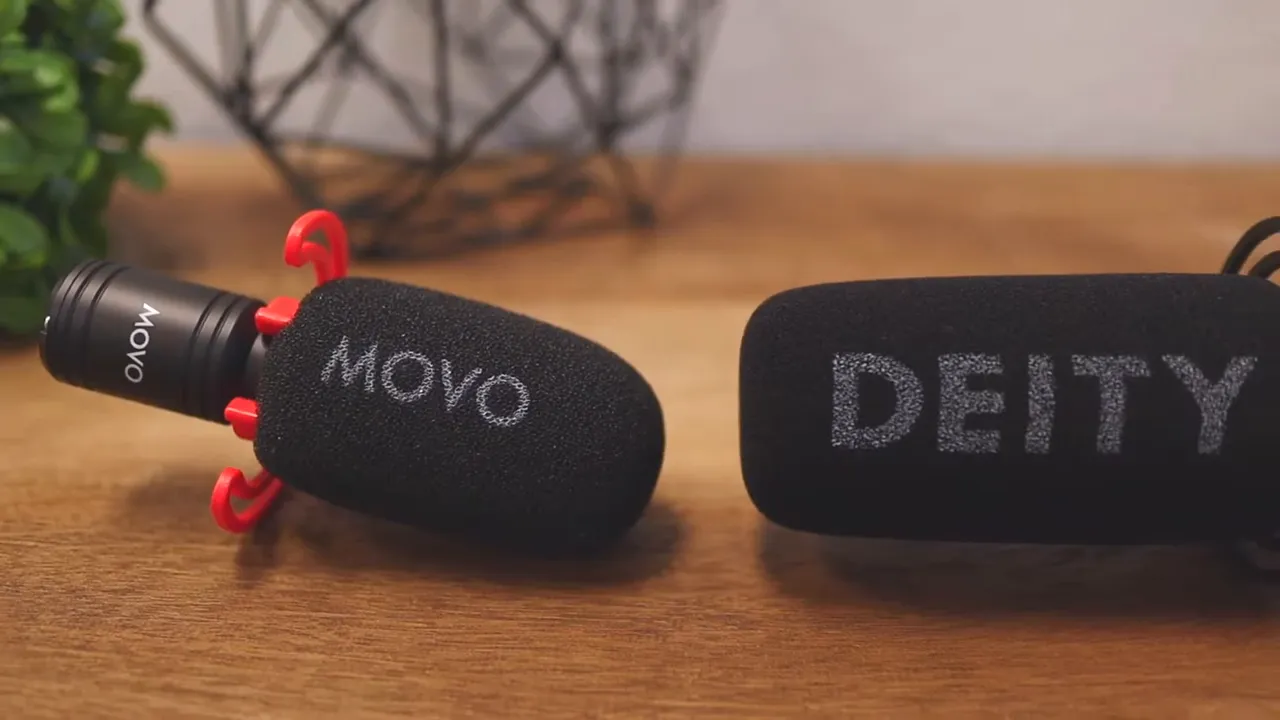
That said, the difference is not huge, and for many use cases it is absolutely acceptable. In fact, with a little EQ in editing, you can clean up some of that muffled character pretty easily. A slight boost in the upper mids or highs can help bring back some perceived clarity, depending on the recording environment.
If you are new to audio cleanup, tools from editors like Adobe Premiere Pro or DaVinci Resolve can handle basic EQ adjustments without much hassle.
How it stacks up against a more expensive mic
The comparison used here was against the Deity D3, a microphone that costs about twice as much. That is a useful benchmark because it shows where the Movo sits in the real world.
The Deity has a larger body, a familiar on-camera design, and a stronger overall audio presentation. But the Movo being only slightly less clear while costing about half the price is actually a pretty good result.
If your priority is maximum sound quality and you have the budget, stepping up to a higher tier mic makes sense. If your priority is portability, ease of use, and good enough sound at a lower cost, the VXR10-PRO makes a compelling case.
Who this microphone is best for
This mic makes the most sense for a few specific groups.
1. Beginners getting into video creation
If you are just starting out, this is the kind of microphone that keeps things simple. You get the mic, the cables you need, wind protection, shock mounting, and a case. There are fewer moving parts to figure out, and the price is not intimidating.
2. People who need a compact travel mic
For anyone building a lightweight setup, the small size is a major advantage. It does not take up much room, and it is easy to keep around as a dedicated portable option.
3. Anyone tired of dealing with batteries
This is the biggest use case. If you have ever reached for a mic and realized the battery is dead, you already understand the appeal.
4. Smartphone and camera users who want flexibility
Since Movo includes both TRS and TRRS cables, the mic is built to work with a range of recording devices that use 3.5mm input. That broad compatibility helps it fit into different setups more easily.
Where it falls short
No budget microphone is perfect, and this one has a few limitations worth mentioning.
- It does not sound as open or refined as pricier shotgun microphones.
- The audio can come across slightly muffled in direct comparison tests.
- While the battery-free design is convenient, battery-powered mics can sometimes outperform it sonically.
None of these are dealbreakers at this price. They are just the natural compromises you would expect when balancing cost, size, convenience, and performance.
What stands out most after using it
The biggest surprise is that it feels more complete than expected for the price.
Usually with budget audio gear, you end up accepting one of two things. Either the microphone itself is decent but the included accessories are weak, or the package looks generous but the core product feels cheap. Here, Movo does a better job of balancing both.
The mic body feels sturdy. The shock mount is useful. The cables are included. The windscreens make sense. The hard shell case is a nice touch. And the sound quality, while not elite, is strong enough to justify keeping it around even if you already own something better.
That last point says a lot. Gear that stays in the setup usually earns its place through convenience, reliability, or some unique strength. In this case, portability and simplicity are what keep the VXR10-PRO relevant.
Should you buy the Movo VXR10-PRO?
If you want a compact shotgun mic that is easy to use, does not need batteries, and comes with the accessories you actually need, the answer is yes.
If you are expecting it to outperform microphones that cost significantly more, then no, that is not realistic. But that is also not the point of this mic.
The VXR10-PRO is about convenience without sacrificing too much quality. It is a practical tool for creators who need something dependable, affordable, and portable.
If you want to pick it up, you can find the Movo VXR10-PRO here. If you are also comparing different tiers of creator audio gear, this Yeti GX vs Yeti X comparison is another useful reference point for deciding how much microphone you actually need.
Final verdict
The Movo VXR10-PRO is not flashy, but it does a lot right.
It gives you a metal body, headphone monitoring, two windscreens, two cable types, a shock mount, a carrying case, and solid battery-free performance for around $50. That is a strong value.
Its sound is not perfect, and it does trail behind more expensive mics in clarity, but it stays well within the range of what most people would consider good and usable. For mobile recording, starter setups, and backup use, that is more than enough.
Sometimes the best gear is not the most expensive option. It is the one that is easy to trust, easy to carry, and easy to use. The VXR10-PRO fits that description really well.
FAQ
Does the Movo VXR10-PRO need a battery?
No. It is a battery-free microphone that draws power directly from a compatible phone, camera, or recording device through the 3.5mm connection.
What is included with the Movo VXR10-PRO?
You get the microphone, shock mount, foam windscreen, furry windscreen, TRS cable, TRRS cable, and a hard shell carrying case.
Is the Movo VXR10-PRO good for smartphones?
Yes, as long as your phone supports the proper audio connection. The included TRRS cable is meant for smartphone style inputs, which helps with compatibility.
How does it sound compared to a more expensive mic?
It sounds good for the price, but slightly more muffled than a higher end option like the Deity D3. The difference is noticeable in direct comparison, though the Movo still performs well enough for many practical recording situations.
When should you use the furry windscreen instead of the foam one?
Use the foam windscreen indoors or in calm conditions. Use the furry windscreen outdoors or anywhere wind could hit the microphone and cause rumble or distortion.


