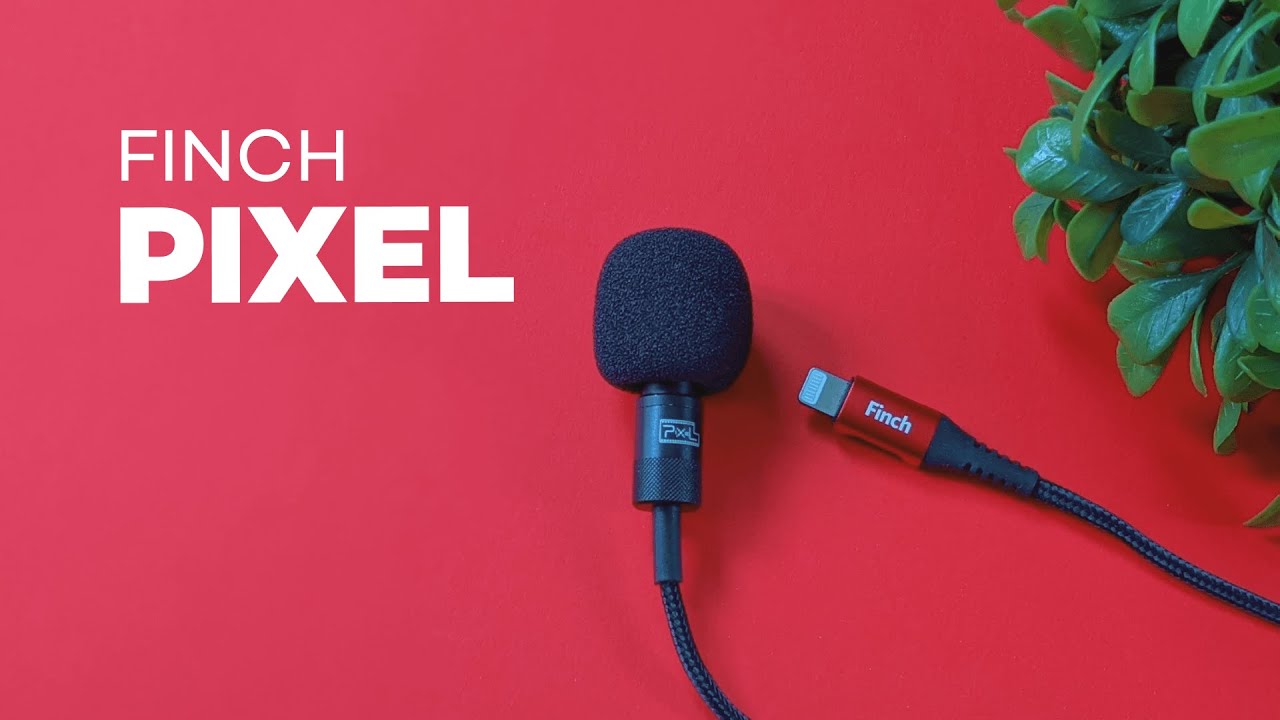
This Pixel Finch review breaks down why a small lavalier microphone can make a huge difference when you record on an iPhone. If audio has ever let a great video down, this review shows how a simple external mic changes the game for vlogging, interviews, live streaming, and quick social clips.
Table of Contents
- Why this review matters
- What the Pixel lavalier mic promises
- Who benefits most from this review
- Unpacking performance: what the Pixel lavalier does well
- Setup and quick start (follow these review-tested steps)
- Tips and tricks this review uncovered
- Compatibility and adapters covered in this review
- How the Pixel lavalier compares to the internal mic — a concise review
- Common problems this review helps you solve
- Verdict summary from this review
- Practical buying and setup checklist from this review
- How to test if the mic is working — a quick review checklist
- Final thoughts and who should buy based on this review
- FAQ
- Summary checklist from this review
Why this review matters
Built-in phone microphones are convenient but limited. This review focuses on the Pixel lavalier microphone because it solves common problems: weak voice presence, room noise, inconsistent levels when you move, and poor performance in vertical video setups. The goal of this review is practical. You will learn what the Pixel lavalier brings, how to set it up, and what to expect in real use.
What the Pixel lavalier mic promises
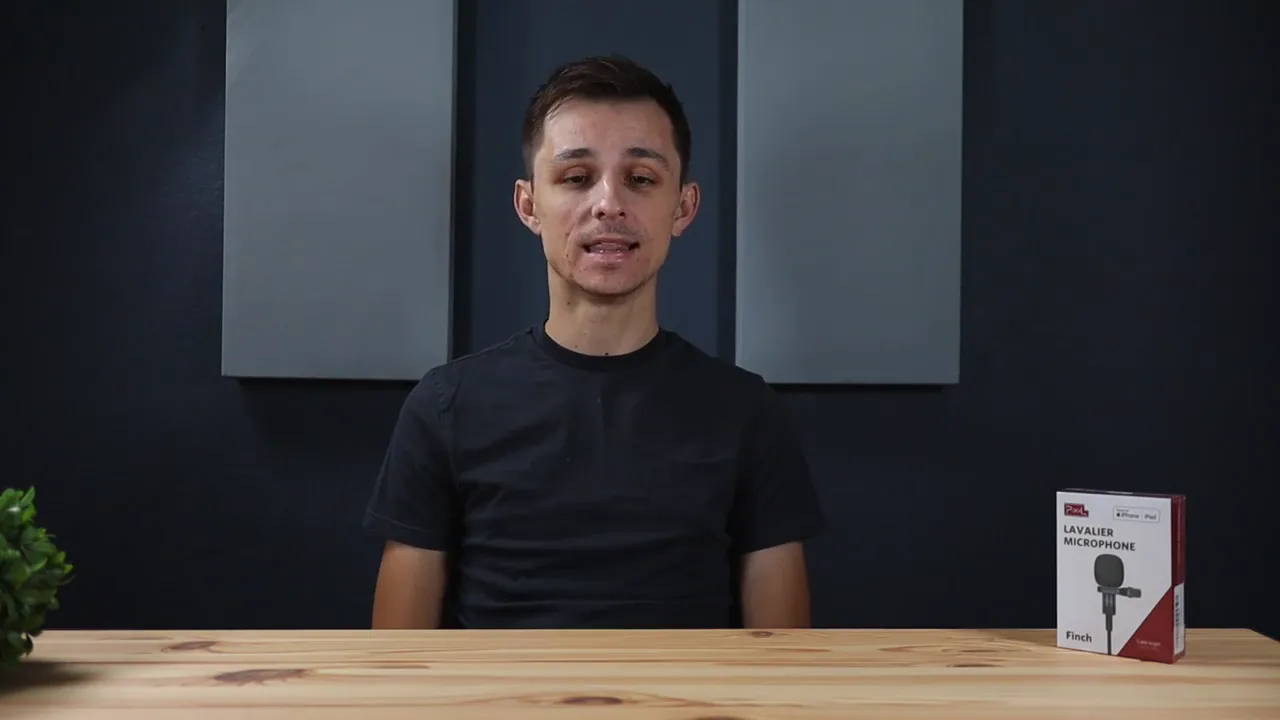
At its core, this review highlights three promises the Pixel lavalier microphone typically makes: clearer voice capture, easy plug-and-play setup, and reliable compatibility for iPhone shooters. The mic aims to outperform an internal mic with a tighter pickup pattern and less background room tone. For people recording in tight spaces, on the go, or while live-streaming, that difference is noticeable.
Key features this review emphasizes
- Compact clip-on design — a lavalier that clips to clothing and stays out of the frame
- Improved voice clarity — stronger and more consistent vocal presence than the built-in mic
- Multi-platform compatibility — works with iPhone, Android, and computers with the right adapter
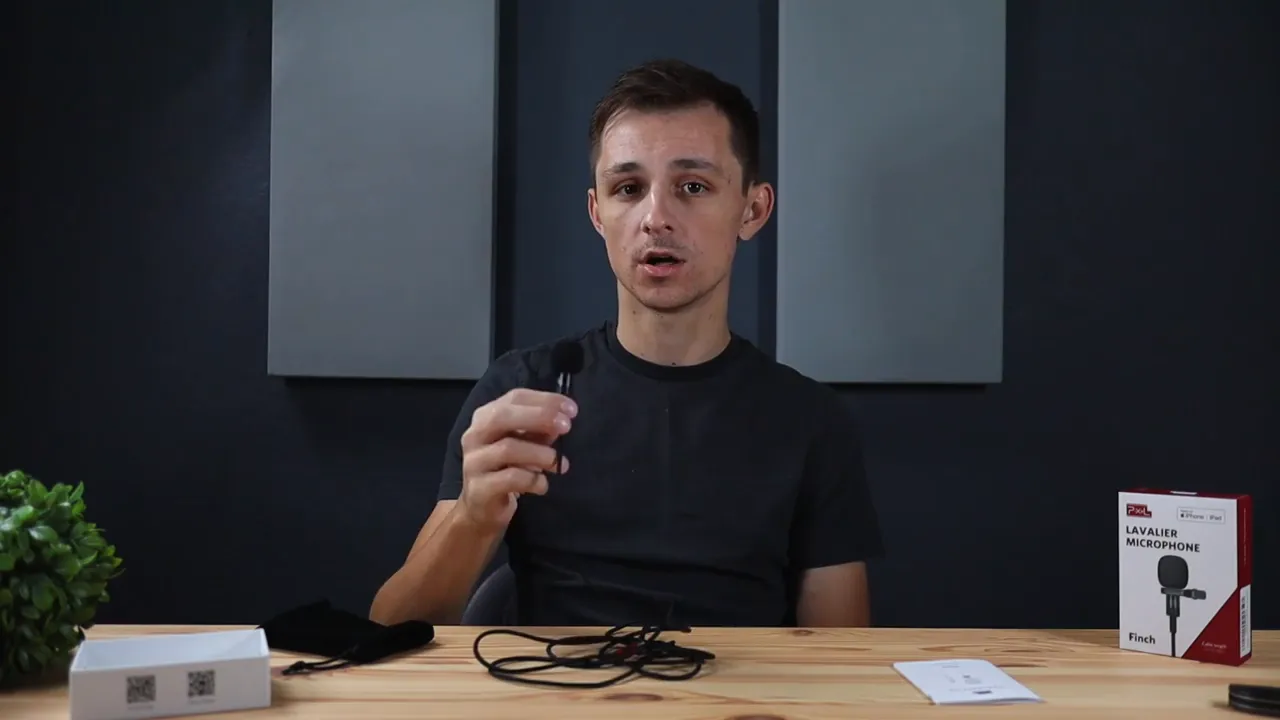
- Wind protection and accessories — typically includes a small foam windscreen and a clip
- Plug-and-play use — no complicated setup for basic recording
Who benefits most from this review
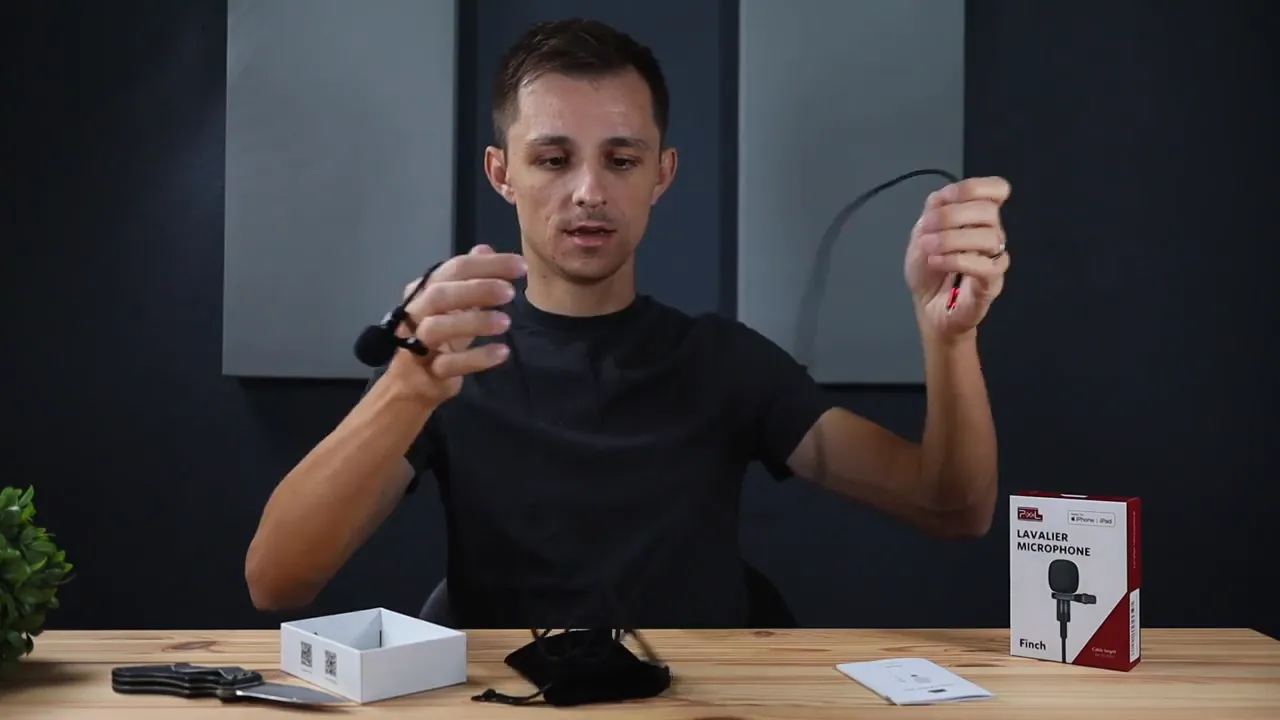
This review is for creators who use their phone as a primary camera: solo vloggers, interviewers, teachers recording quick lessons, streamers presenting on the go, and anyone who shares short-form content. If you care about clear, professional-sounding voice audio without carrying bulk, this review applies to you.
Unpacking performance: what the Pixel lavalier does well
The biggest wins noted in this review are voice prominence and consistency. With a lavalier clipped near the collar, voice levels become stronger and less affected by handheld camera movement. Background noise sits lower in the mix, letting spoken words cut through.
Another point this review highlights is how the mic behaves during vertical filming. Many phone shooters film in portrait mode for social platforms. The mic’s placement and pickup pattern help keep audio centered on the speaker even when the phone is rotated, which makes vertical content sound as good as horizontal clips.
Useful real-world examples from this review
- Recording an on-the-street interview: voices remained consistent even as the subject moved slightly.
- Filming a quick tutorial in a shared workspace: the lavalier reduced ambient chatter and HVAC noise compared to the phone mic.
- Live-streams with multi-topic segments: audio stayed reliable across different talking distances.
Setup and quick start (follow these review-tested steps)
A practical part of this review is a simple setup checklist that works for most phones and apps.
- Plug the lavalier into your phone or into the adapter if your phone uses a lightning or USB-C port.
- Clip the mic 6 to 12 inches below the chin on the centerline of the body to avoid plosive hits and clothing rustle.
- Attach the foam windscreen to reduce breath pops and mild wind noise outdoors.
- Open your camera or recording app and confirm the phone recognizes an external microphone if the app shows input monitoring.
- Do a quick test recording and listen with headphones for balance, rustle, and background noise.
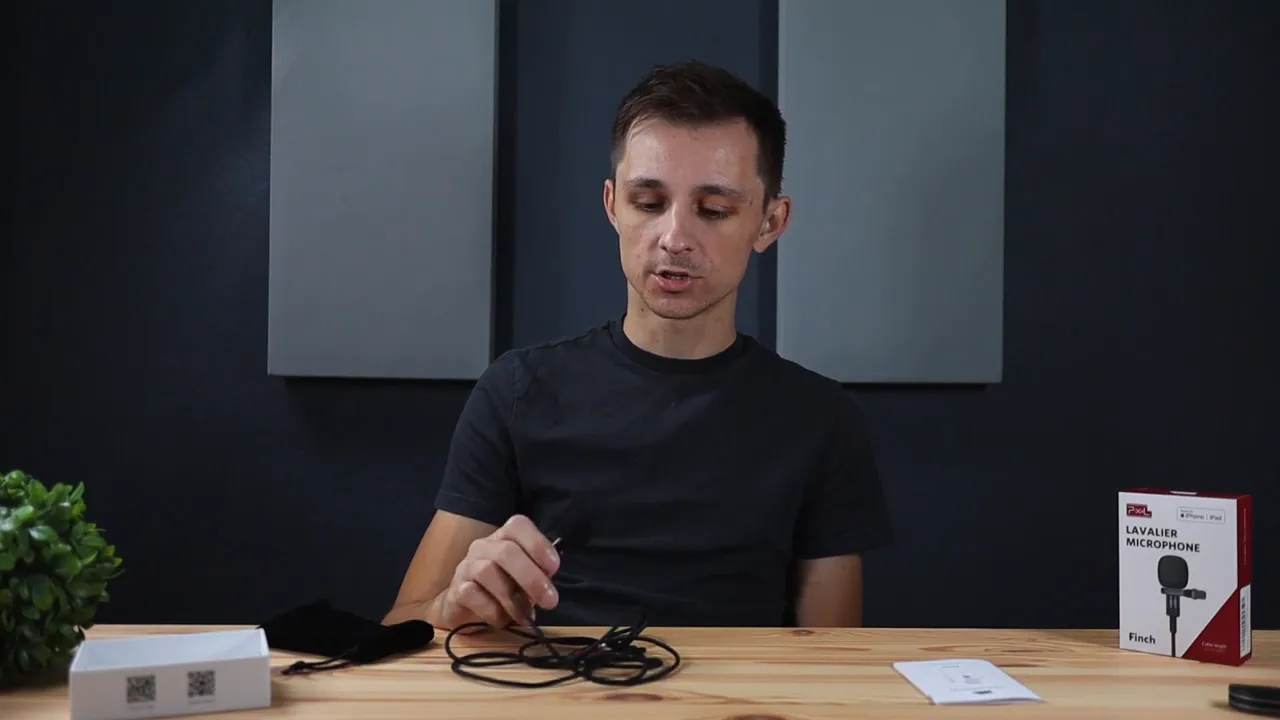
This review recommends a short test before each recording session. Small adjustments in clip position or clothing can save you time in editing. If the mic is plugged in but levels look low, try a different recording app that allows manual input selection or check that any adapter is fully seated.
Tips and tricks this review uncovered
- Use the clip smartly — clip to a stable layer of clothing. Avoid turning points or fabrics that move a lot.
- Reduce rustle — position the cable under the shirt and pin the mic so the cord does not brush against clothing.
- Mind your distance — lavalier mics sound best when consistent distance to the mouth is maintained; small head turns matter less but big steps away will change levels.
- Monitor when possible — plug headphones into your camera or phone adapter if you can, to avoid surprises.
- Keep spares — carry an extra windscreen and a small adapter if you switch between phone types.
Compatibility and adapters covered in this review
Phones vary. This review covers compatibility options: many lavalier mics ship with a 3.5mm TRS or TRRS plug. Newer phones may require a lightning to 3.5mm adapter (iPhone) or USB-C adapter (Android). USB audio interfaces and camera adapters can be used when you need to plug into a computer or a dedicated camera.
When using adapters, this review recommends choosing official or well-reviewed third-party adapters. Cheap adapters can cause noise or no audio detection. If you’re recording on an iPhone with no headphone jack, make sure the adapter supports external microphone input and not just headphones.
How the Pixel lavalier compares to the internal mic — a concise review
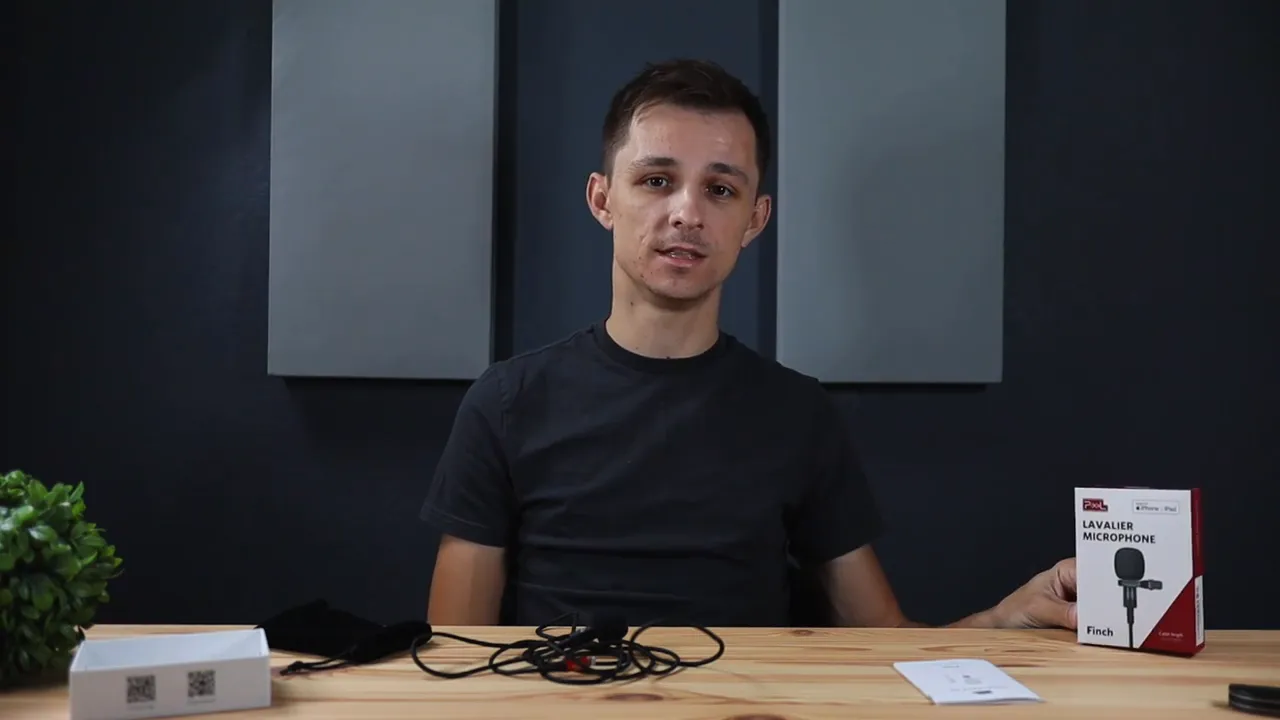
Compared to an internal iPhone mic, the Pixel lavalier delivers clearer vocal presence, better isolation from background noise, and more consistent levels when you move. Internal mics capture a wider sound field, which sometimes adds ambience but often reduces intelligibility for spoken content. This review finds the lavalier a better fit for speech-heavy recordings.
When to keep the internal mic instead
- If you want room ambience for cinematic or musical recordings, the internal mic may offer a fuller sense of space.
- If you need hands-free remote capture without any clip-on gear, internal microphone is simpler.
Common problems this review helps you solve
A few recurring issues often turn up: the phone not detecting the external mic, noisy adapters, wind noise when filming outdoors, and rustling from clothing. This review provides quick solutions: verify adapter compatibility, reposition or secure the cable, use the foam windscreen, and do a short test recording before you start.
Verdict summary from this review
The Pixel lavalier mic is a strong, budget-friendly option for iPhone creators who need clear, consistent vocal audio. It is especially useful for vertical-content creators and solo producers who need plug-and-play convenience with reliable results. This review concludes that for most creators the difference in perceived quality is significant enough to justify the small extra cost.
Pros highlighted in this review
- Better speech clarity than internal mics
- Lightweight and portable
- Simple setup for most phones with the right adapter
- Affordable compared to shotgun mics or wireless lav systems
Cons highlighted in this review
- Requires an adapter if your phone lacks a 3.5mm jack
- Can pick up clothing rustle if not positioned carefully
- Not a substitute for broadcast wireless systems in complex multi-person setups
Practical buying and setup checklist from this review
If you decide to buy, this review suggests the following checklist to make sure you get the version and accessories you need:
- Confirm the plug type (3.5mm TRRS vs TRS).
- Buy the correct adapter for your phone (lightning or USB-C) that supports external microphones.
- Look for a kit that includes a windscreen and clip.
- Check return policy in case of incompatibility.
- Plan to test the mic with your primary recording app before any important shoot.
How to test if the mic is working — a quick review checklist
- Record a 10-second speaking test
- Listen back with headphones
- Move your head and take a step back to see how levels respond
- Tap the clip to check for mechanical noise
This brief test saves time and prevents recording disasters. This review stresses that even small pre-shoot checks make a big difference.
Final thoughts and who should buy based on this review
If you produce how-to clips, interviews, or social content on an iPhone, this review recommends the Pixel lavalier as a smart, low-friction upgrade. You get clearer voice audio, much less room noise, and a consistent sound that improves perceived production value.
If you are a multi-person production or need long wireless range, you might look at higher-end systems. For most solo creators, however, this review finds the Pixel lavalier hits the sweet spot of cost, convenience, and improved sound.
FAQ
Does the Pixel lavalier work with iPhones without a headphone jack?
Yes, but you will need a compatible lightning to 3.5mm adapter that supports external microphone input. This review recommends using official or well-reviewed adapters to avoid noise or detection problems.
Will this mic improve my audio for vertical video?
Yes. The lavalier’s placement near the speaker and its focused pickup pattern help keep voice levels consistent during vertical filming. This review found better vocal clarity in vertical content compared to the phone’s internal mic.
Can I use the Pixel lavalier for live streaming?
Yes. For single-person live streams it offers clearer and more reliable voice capture. If you stream with multiple speakers or need camera-mounted mics, you might consider dedicated wireless systems.
What about wind and outdoor use?
Use the included foam windscreen and position the mic under clothing or in a sheltered spot. This review recommends extra caution in windy conditions; for strong winds consider a furry windshield or a different mic solution.
Does the Pixel lavalier require batteries?
Most wired lavalier mics are passive and do not need batteries when used with a smartphone. If you encounter a powered model, follow the manufacturer's instructions. This review focuses on plug-and-play wired units that draw any necessary power from the phone or adapter.
Is this mic worth it for beginners?
Yes. This review recommends the Pixel lavalier for beginners who want an immediate, low-cost improvement in voice audio without learning complex audio gear.
Summary checklist from this review
- Improves speech clarity over internal phone mic
- Best for solo creators and vertical video
- Requires compatible adapter on phones without 3.5mm jack
- Do quick tests before recording to avoid surprises
- Affordable upgrade that boosts perceived production value
This review encourages small investments that yield big improvements. A simple lavalier mic is one of the easiest ways to upgrade your content quickly. If you want your voice to be heard clearly and consistently, the Pixel lavalier is a practical and effective choice.


